Why Referral Sources Go Quiet: The Partner Follow-Up Loop Firms Skip

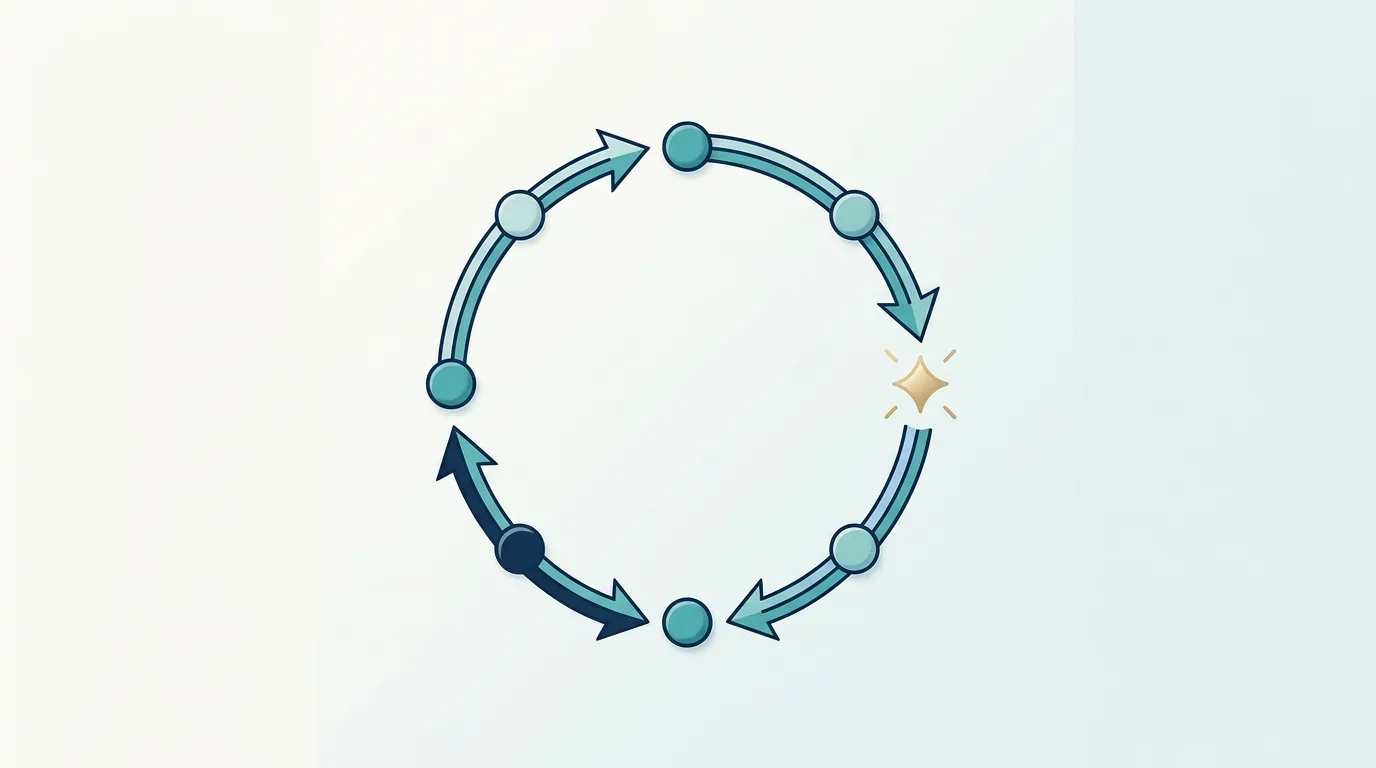
Referral sources stop referring when they never hear what happened to their introductions. A partner follow-up loop closes that gap: acknowledge the intro, update at milestones, and close the loop on the outcome, every time.
A referral is two relationships, not one. There is the referred prospect, who may become a client, and the referring partner, who put their name on the line to make the introduction. Most firms work the first relationship hard and leave the second one to chance.
The channel matters more than it looks. According to Gartner, 61 percent of B2B buyers prefer an overall rep-free buying experience. When buyers move without salespeople, a trusted introduction carries more of the journey. A referral source that goes quiet is not a social lapse. It is a channel loss.
Why do referral sources go quiet?
Referral sources go quiet when introductions disappear into silence. The accountant, lawyer, banker, or past client who made the intro took a reputational risk. If they never learn whether their contact was looked after, the safest professional move is to stop referring.
Firms rarely see this happening. Referred work keeps arriving from other relationships, so the decline hides inside a healthy-looking total. It surfaces a year later as a vague observation that referrals have slowed down, long after the quiet sources stopped sending work.
What is a partner follow-up loop?
A partner follow-up loop is the workflow that keeps a referral source informed from introduction to outcome: a same-day acknowledgment, a named owner, milestone updates scoped to what the prospect permits, and a close-the-loop note when the work engages or does not. It treats the source as a relationship to maintain, not a lead channel to consume.
It is the counterpart to prospect follow-up, not a replacement for it. Converting the referred prospect into booked work is its own workflow. The partner loop protects the person who started it, so the next introduction happens.
What each referral stage owes the source
Each stage of a referral leaves the referring partner with a question. The loop answers it before they have to ask, while respecting what the referred prospect has agreed to share.
| Referral stage | What the source wonders | What they should receive |
|---|---|---|
| Introduction made | Did it land, and was I right to send it? | Same-day thanks naming who now owns the contact |
| First conversation | Was my contact looked after? | A short note that the conversation happened, nothing confidential |
| In progress | Is this going anywhere? | Milestone updates scoped to what the prospect permits |
| Outcome reached | What came of my introduction? | A close-the-loop note either way, with thanks regardless of result |
How do you diagnose referral-source leakage?
Diagnose referral-source leakage by looking at the sources, not the prospects. If the firm can list who referred work last year but cannot say when each of those people last heard anything back, the leak is on the partner side of the workflow.
The review should cover four artifacts:
- The referral source list, with the last time each source heard anything back.
- Intro-to-acknowledgment time for the last ten introductions.
- The loop-closure rate: how many introductions ever received an outcome note.
- Source concentration: how much referred work depends on two or three relationships.
After the loop is running, sources hear outcomes without having to ask. Referring to the firm starts to feel safe and rewarded instead of risky, and the firm can finally see which relationships produce work and which have gone quiet.
AI automation can help draft acknowledgments and milestone updates from approved status, keep the source list current, and flag introductions that never got an outcome note. It should not invent status, share anything confidential, or replace the judgment of the relationship owner.
What Attainment does here, and what it does not
Attainment diagnoses where the referral-source loop breaks: acknowledgment speed, ownership, update cadence, loop closure, and source visibility. Then we decide whether there is a measurable gap worth fixing before building anything.
What we do not do: we do not guarantee referrals, new clients, or engagement volume. We do not provide legal, accounting, or professional-conduct advice, and confidentiality boundaries stay the firm's call. The work stays tied to the referral workflow the firm already runs.
Summary
Key takeaways
- Referral sources go quiet when they never hear what happened to their introductions.
- The partner follow-up loop is owed to the source and is separate from prospect follow-up.
- When buyers move rep-free, trusted introductions carry more of the journey.
- A close-the-loop note costs minutes and protects a referral channel.
- AI automation can draft updates from approved status, never invent them.
- The first decision is whether source leakage is measurable and worth fixing.
ProofGartner: 61 percent of B2B buyers prefer an overall rep-free buying experience
The first step
The first decision is not buying referral software. It is whether the sources that referred work last year have gone quiet this year, and whether anyone would notice. The diagnostic shows whether the partner loop is the constraint. If there is no measurable gap, we do not pitch the build.
Before you ask for more introductions, find out what happened to the people who already made them.
Further reading: converting referrals into booked work, AI operations and growth systems for professional services firms, and the questions trust-heavy buyers ask before they advance.
Frequently asked questions
What is a partner follow-up loop?
A partner follow-up loop is the workflow that keeps a referral source informed from introduction to outcome: a same-day acknowledgment, a named owner, milestone updates scoped to what the prospect permits, and a close-the-loop note either way.
Why do referral sources go quiet?
They go quiet when introductions disappear into silence. The source took a reputational risk and never learned what happened, so the safest move is to stop referring. The firm usually notices a year later.
What should a referral update include?
Only what the referred prospect permits: that contact happened, that the conversation is moving or has closed, and thanks. It should never include confidential matter details, fees, or anything the prospect has not approved.
How is this different from following up with the referred prospect?
Prospect follow-up converts the introduction into booked work. The partner follow-up loop maintains the person who made the introduction. Firms that run only the first loop win the engagement and lose the channel.
Does Attainment guarantee more referrals or clients?
No. We diagnose and fix the referral-source workflow. We do not guarantee referrals, new clients, or engagement volume, and we do not provide legal, accounting, or professional-conduct advice.

Founder & CEO, Attainment
David Cyrus is the founder of Attainment. He writes about missed revenue, manual work, AI automation, and the operating decisions behind what to fix first.
Connect on LinkedInFind the Problem Worth Fixing First
Tell us where revenue, follow-up, or staff time is getting stuck. We will help you decide whether the problem is measurable and worth fixing.