Before You Buy More Leads: Recover Jobs Lost to Missed Calls and Estimates

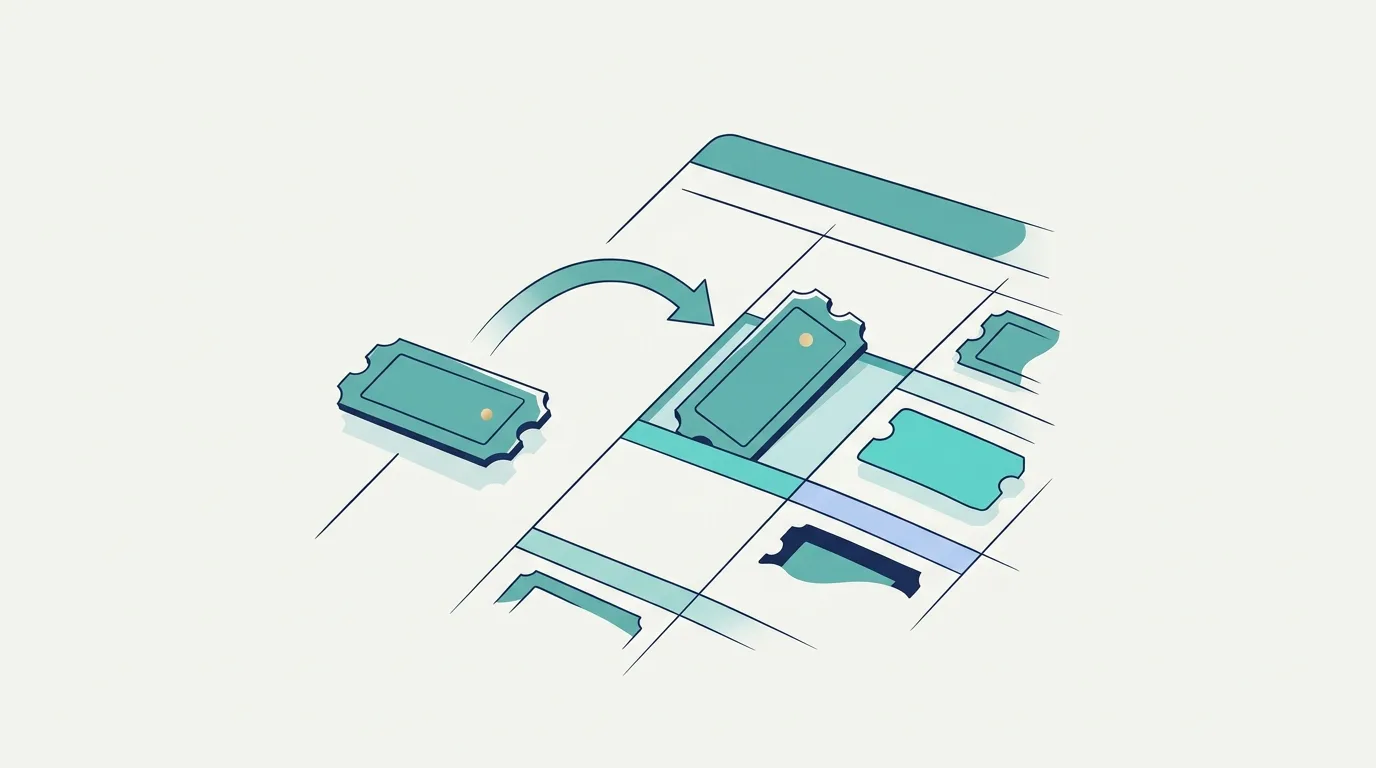
Missed call text back fixes one of three leaks. Home services also lose jobs to silent estimates and missed callbacks. Recover all three before you buy more leads.
Missed call text back recovers some jobs, but it fixes one leak in a workflow that usually has three. Home services operators lose booked revenue at the unanswered call, the silent estimate, and the callback that never happens. Adding a text-back tool catches the first leak and leaves the other two open.
Speed is the reason this matters. Harvard Business Review, analyzing 2.24 million leads, found that businesses responding within an hour were nearly seven times more likely to qualify a lead than those that waited even one hour longer. Before you buy more leads, it is worth seeing where the jobs you already paid to generate are getting lost.
Does missed call text back actually recover lost jobs?
Missed call text back recovers some lost jobs by reaching the customer you could not answer before they call the next company. It is a real fix for one leak. It does not address the two larger leaks downstream: estimates that go quiet and callbacks that never happen. Answering the call is not the same as booking the job.
When revenue feels soft, the reflex is to buy more demand: more advertising, another lead-generation contract, a bigger budget. That helps only if you genuinely do not have enough inquiries. Most home services operators are not short on inquiries. They are short on capture.
Why doesn't buying more leads fix the feeling that work is slipping?
Buying more leads does not fix slipping revenue because every new lead enters the same workflow you already have. If that workflow drops calls, sits on estimates, and forgets to follow up, more leads just means paying to generate jobs that leak out the same three holes. The expensive habit is adding demand before recovering the work already coming in.
Where do home services jobs actually leak?
Home services jobs leak at three predictable points: the unanswered call, the estimate that went quiet, and the callback that never happened. Most operators focus on the first because it is visible in a missed-call log. The second and third are usually larger and almost always invisible, because there is no record of a follow-up you simply never made.
| Leak point | What happens | Why it is missed | What recovers it |
|---|---|---|---|
| Unanswered call | You are on a job, the call goes to voicemail, the customer calls the next company | Visible in the call log; the leak tools target | Immediate automated response |
| Silent estimate | You sent a number, then nothing, and the job went to whoever followed up first | No system tracks unfollowed estimates | Structured estimate follow-up |
| Missed callback | The customer said "call me next week," next week passed | Lives in memory, not in any log | Scheduled callback prompt |
The unanswered call
A customer calls, you are on a roof or under a sink, and the call goes to voicemail. Most people who reach voicemail do not leave a message. They call the next company. Missed call text back addresses this leak, which is why the tool exists and why people search for it. But answering is not booking.
The silent estimate
You showed up, looked at the work, and sent a number. Then nothing. In many trades the silent estimate is the single biggest leak, larger than the missed call, because the customer was qualified enough to get an estimate and then nobody followed up to close it. The job did not go to a competitor on price. It went to whoever followed up first. This is exactly where Harvard Business Review's speed-to-lead finding bites: the first to follow up wins the qualification.
The missed callback
A customer asked you to call them back next week when they were ready. Next week came and went. Nothing on your phone reminded you, so it lived in your memory, and your memory is busy running a business. This leak is invisible because there is no missed-call entry for a follow-up you never made.
How do I work out what this is costing before I add staff?
You can size the leak without exact numbers by walking through one month of activity. Count the unanswered calls that never called back, the estimates you never followed up on, and the "call me later" customers you never called. Each is a job you already paid to generate, sitting unbooked. For most operators that recoverable work is worth more than the next batch of leads.
This is the case for booked job recovery: recover the calls, estimates, and follow-ups you already paid to generate, before buying more demand. The demand is already there. You are not buying it again. You are catching what you already have.
What is booked job recovery?
Booked job recovery is the workflow that catches a job at each of the three leak points and moves it toward booked, without you remembering to do it manually. It responds to the missed call, follows up on the sent estimate, and prompts the scheduled callback, so revenue stops depending on memory.
- Missed call: an immediate response goes out, so the customer does not move on.
- Sent estimate: a structured follow-up reaches the quiet ones with a second touch.
- Scheduled callback: a prompt fires at the right time, so the callback actually happens.
Artificial intelligence automation handles the prompts, the routing, and the follow-up reminders, often inside the home service customer relationship management system you already use. Your team stays in control of the conversations and the quotes. The point is not to replace your front desk. It is to stop letting booked work fall through the gaps between calls.
What Attainment does here, and what it does not
Attainment starts by mapping where your jobs actually leak: missed-call categories, the estimate follow-up gap, and the booking handoff. Then we decide whether there is a measurable gap worth fixing before building anything.
What we do not do: we do not guarantee jobs, we do not promise cheaper leads, and we do not replace your front desk. We build the workflow that recovers the work already coming in, and your team keeps control of the customer.
Key takeaways
- Missed call text back fixes one of three leaks, not all of them.
- Home services lose booked work at the unanswered call, the silent estimate, and the missed callback.
- The silent estimate is often the largest and most invisible leak.
- Harvard Business Review: a one-hour response makes lead qualification nearly seven times more likely; speed decides who wins the job.
- More leads enter the same leaking workflow; capture beats volume.
- The first decision is whether enough booked work is leaking to be worth fixing.
The first step
The first decision is not whether to build. It is whether enough booked work is leaking to be worth fixing. The diagnostic shows whether there is a measurable gap. If there is no measurable gap, we do not pitch the build.
Before you buy more leads, see whether the calls, estimates, and follow-up you already paid for are getting captured. We review fit first, then confirm scope and timing before any work begins. Exact quote after scope.
Further reading: AI systems for home services and trades and the math that prices missed calls and stale quotes.
Frequently asked questions
Is missed call text back enough to stop losing jobs?
It helps with one leak, the unanswered call. It does not catch silent estimates or missed callbacks, which are usually larger. A full booked job recovery workflow covers all three.
Should I buy more leads or fix follow-up first?
Fix follow-up first if inquiries are arriving and slipping away. Buying more leads only pays off once the workflow can capture the work you already generate.
Where do home services businesses lose the most booked work?
Most often at the silent estimate. The customer was qualified enough to get a quote, then no one followed up, and the job went to whoever called back first.
How fast should I follow up on an estimate or missed call?
As fast as possible. Harvard Business Review found responding within an hour made firms nearly seven times more likely to qualify a lead than waiting even one hour longer.
Does Attainment guarantee more booked jobs?
No. We map where booked work leaks and build the recovery workflow. We do not guarantee jobs or cheaper leads, and we do not replace your front desk.

Founder & CEO, Attainment
David Cyrus is the founder of Attainment. He writes about missed revenue, manual work, AI automation, and the operating decisions behind what to fix first.
Connect on LinkedInFind the Problem Worth Fixing First
Tell us where revenue, follow-up, or staff time is getting stuck. We will help you decide whether the problem is measurable and worth fixing.