Proposal Management Software Will Not Fix Capture. Here Is What Does.

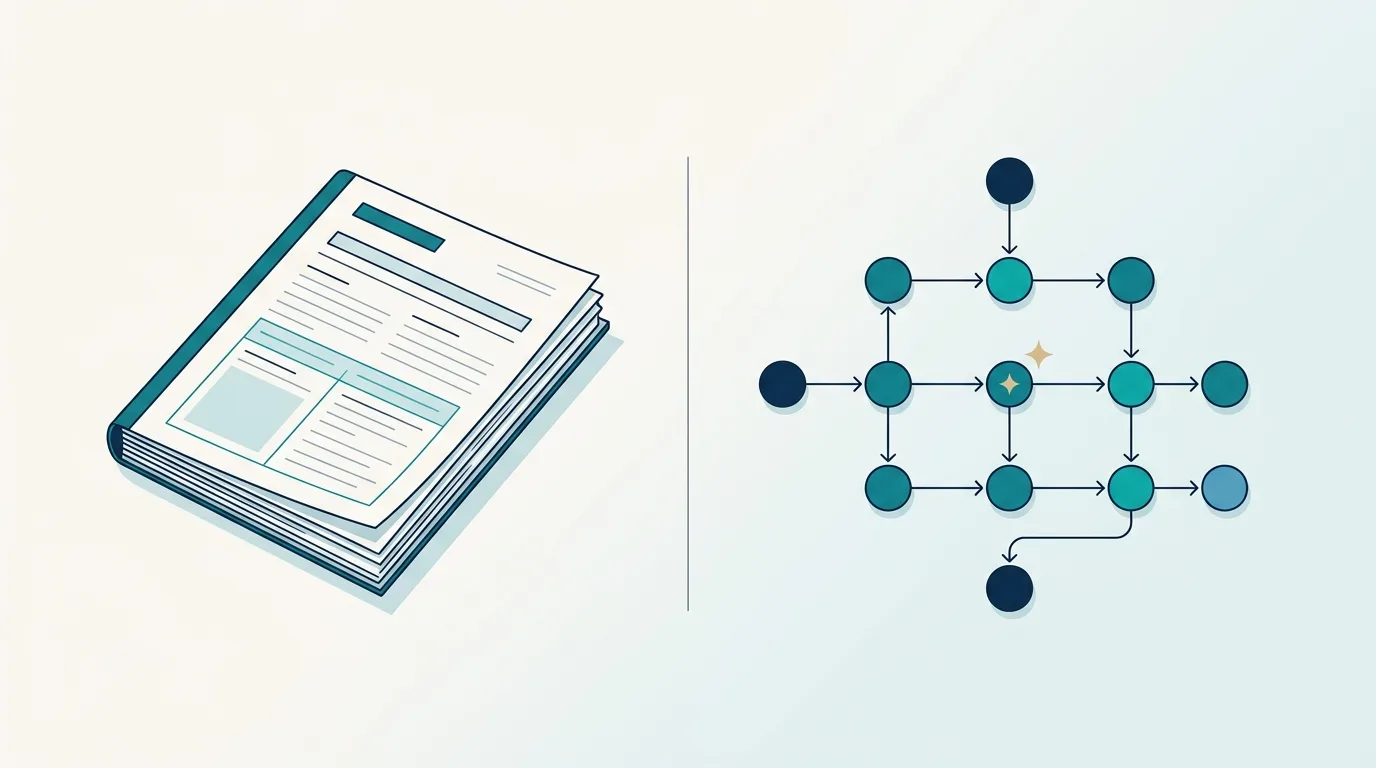
Proposal management software organizes the document. It does not fix capture. The win is decided earlier, in requirements, deadlines, partner follow-up, past performance, and executive visibility.
Teams pursuing government and enterprise contracts often reach for proposal management software when the real gap is upstream. Proposal software organizes the document you submit. It does not improve the capture work that decides whether the proposal is worth submitting at all. The constraint is usually the capture workflow, not the proposal tool.
Capture is the work before the proposal: understanding the requirement, tracking the deadline, following up with partners, retrieving past performance, and keeping executives visible to the pursuit. A polished proposal built on weak capture still loses.
Does proposal management software improve win rate?
Proposal management software improves how efficiently you assemble a document, not whether you should be bidding or how well you understood the requirement. It speeds production and version control. It does nothing for the capture decisions that actually drive the outcome, so on its own it rarely moves win rate.
The teams that win are not the ones with the prettiest proposal software. They are the ones whose capture workflow surfaced the right pursuits, the real requirements, and the partner and past-performance pieces early enough to matter.
What is a capture workflow?
A capture workflow is the repeatable path that turns one live pursuit into cleaner requirements, tracked deadlines, partner follow-up, retrievable past performance, and executive visibility before the proposal is written. It is the upstream work that decides whether a proposal can win, separate from the software that formats it.
A working capture workflow does four things:
- Clarifies the requirement, so the team is solving the actual ask, not its own interpretation.
- Tracks deadlines and ownership, so nothing critical slips before submission.
- Drives partner follow-up, so teaming commitments are real and on time.
- Makes past performance retrievable, so relevant proof is found fast, not reconstructed under deadline.
Why do pursuits fall apart before the proposal?
Pursuits fall apart before the proposal because the capture steps live in scattered emails and individual memory, not a workflow. A teaming partner goes quiet, a requirement is misread, or past-performance evidence cannot be found in time, and the proposal is compromised before anyone opens the proposal tool. The failure is upstream and usually invisible until the deadline.
Executive visibility matters here too. When leadership cannot see a pursuit's status until late, decisions about whether to commit resources come too late to change the outcome.
Capture workflow vs proposal software
| Dimension | Proposal management software | Capture workflow |
|---|---|---|
| What it handles | Document assembly and version control | Requirements, deadlines, partners, past performance |
| When it operates | After the decision to bid | Before and during the pursuit |
| Drives the win decision | No | Yes |
| Surfaces executive visibility | Limited | Yes |
What Attainment does here, and what it does not
Attainment helps turn one live pursuit into a mapped capture workflow: requirements, deadlines, partner follow-up, past-performance retrieval, and executive visibility. We diagnose where the pursuit is stuck before recommending any build.
What we do not do: we do not write proposals for you, we do not give procurement advice, and we do not claim to win contracts. We make the capture workflow visible and disciplined, with AI automation supporting prep, reminders, and retrieval while your team owns every decision and submission.
Key takeaways
- Proposal software organizes the document; capture decides the win.
- Pursuits usually fail upstream, in scattered requirements, deadlines, and partner follow-up.
- A capture workflow clarifies requirements, tracks deadlines, drives partner follow-up, and makes past performance retrievable.
- Executive visibility early changes resource decisions.
- No proposal writing, no procurement advice, no contract-win claims.
- The first decision is which one live pursuit is worth mapping first.
The first step
The first decision is not whether to build. It is whether one live pursuit's capture workflow is leaking enough to be worth fixing. The diagnostic shows whether there is a measurable gap. If there is no measurable gap, we do not pitch the build.
Use one live pursuit to map requirements, deadlines, partner follow-up, past performance, and executive visibility.
Further reading: why scattered past performance costs bids, AI operations and growth systems for government contractors, and turning one workflow into a visible operating win, and how Canadian businesses fund AI adoption.
Frequently asked questions
What is the difference between capture and proposal management?
Capture is the upstream work that decides whether and how to pursue: requirements, deadlines, partners, past performance. Proposal management is assembling the document afterward. Capture decides the win; the proposal expresses it.
Do we still need capture if we already have proposal software?
Yes. Proposal software helps you produce documents efficiently. It does not improve the capture decisions that drive outcomes, so on its own it rarely changes the result of a pursuit.
What does a capture workflow actually track?
Requirements, deadlines and ownership, partner follow-up, retrievable past performance, and executive visibility, all for one live pursuit at a time.
Does Attainment write proposals or give procurement advice?
No. We map and run the capture workflow. We do not write proposals, give procurement advice, or claim to win contracts.

Founder & CEO, Attainment
David Cyrus is the founder of Attainment. He writes about missed revenue, manual work, AI automation, and the operating decisions behind what to fix first.
Connect on LinkedInFind the Problem Worth Fixing First
Tell us where revenue, follow-up, or staff time is getting stuck. We will help you decide whether the problem is measurable and worth fixing.