AI Receptionist for Hair Restoration Clinics
Answer hair restoration inquiries when your team cannot pick up.
Aida answers when your team cannot: after hours, during busy periods, and while staff are with patients. It answers from your clinic's own information and prepares a request your coordinator can act on.
You choose the coverage hours, the answers, and the calls that go straight to staff.
What happens when staff cannot answer
- 01
A caller reaches out
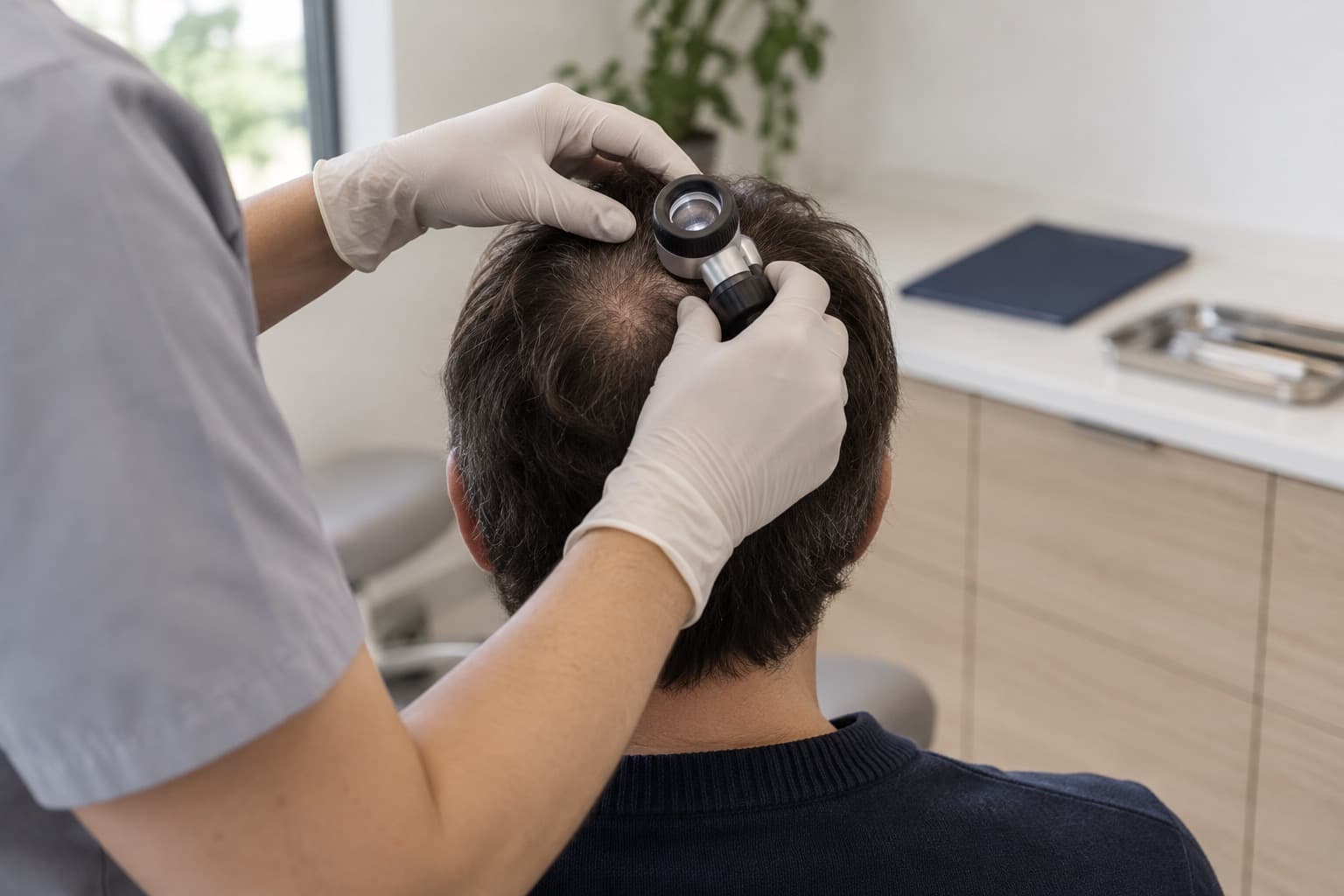
A caller asks about a consultation, a procedure such as FUE or PRP, or what a first visit involves.
- 02
Aida answers
It responds with the answers and questions your clinic has set.
- 03
Aida takes the request
It captures who is calling, which procedure they are asking about, and when they would like to come in.
- 04
Your coordinator follows up
Staff receive a clear request and a next action.
Urgent or unclear calls go straight to your team.
Where hair restoration inquiries are lost before staff can respond.
An unanswered call may be an inquiry your clinic paid to create. Aida can answer while your coordinator stays with the patient in the chair.
People research hair restoration in the evening and call when they are ready. By then the clinic is closed, or the coordinator is in the procedure room with a patient. Consultations, quotes, and time away from the desk can all push calls to voicemail.
Some of those callers came from ads, referrals, or local search, and existing patients call about follow-up visits too. Answering gives them a next step.
Do not use a standard missed-call rate, appointment value, or treatment value. Start with the clinic's own records: calls, requests, bookings, attendance, accepted services, and collected revenue.
What Aida can handle on a hair restoration call.
Aida covers the calls you choose, answers routine questions, and prepares a request that your coordinator can review and act on.
After-hours and overflow calls
Aida answers during the hours you choose, including evenings, weekends, and the hours when your team is in the procedure room.
Consultation inquiries
Aida asks what the caller needs. You set the choices, such as a first consultation, a PRP session, a follow-up visit, or another service.
Procedure interest captured
Aida notes which procedure the caller is asking about, such as FUE, FUT, PRP, or scalp micropigmentation, so the right coordinator follows up.
Answers from your clinic
Aida shares facts your clinic has set, such as hours, location, consultation steps, what to bring, and whether a virtual first consultation is offered.
Complete requests for staff
Aida prepares a request with who called, what they are asking about, and when they would like to come in.
See the broader approach to AI voice agents for specialty clinics.
What Aida answers, and what stays with your surgeon.
Aida handles the routine questions and captures the details callers share. Your surgeon and coordinator keep the decisions about candidacy, treatment, and price.
Aida handles
- Hours, location, and consultation steps
- What to bring and how long a first visit takes
- Which procedure the caller is asking about
- Contact details and preferred times
- Booking, as described below
Your team keeps
- Candidacy, graft estimates, and treatment plans
- Scalp condition, hair loss cause, and medication questions
- Pricing quotes, financing decisions, and consent
- Provider fit and final scheduling judgment when rules are unclear
- Patient care, exceptions, and the ongoing relationship
Aida can check open times in your scheduling system and book, or prepare a request for staff, once we confirm your system during setup.
Aida does not assess hair loss, scalp conditions, or candidacy. It does not estimate grafts, quote prices, recommend procedures, or replace clinical staff.
How to decide whether call coverage is the right first step.
Call coverage may be the right first step when real inquiries reach voicemail or wait too long. Wider follow-up gaps may need a broader review first.
Call coverage may fit when
- Consultation calls reach voicemail in the evening, when people research procedures.
- Calls overlap while the coordinator is in the procedure room.
- Staff keep answering the same questions about first visits and recovery time.
- Callers from ads and search leave incomplete messages that create more work.
- Procedure interest needs a clear route to the right coordinator.
- You want a complete request in hand before the coordinator calls back.
Call coverage alone may not be enough when
- Calls are answered, but quotes, consultation follow-up, and messages remain disconnected.
- Staff cannot see which inquiries are new, waiting, booked, or stale.
- Consultation routing rules lack a reliable source of truth.
If the problem continues after the first call, compare an AI receptionist with a broader inquiry review.
Healthcare journey
Confirm this is the right clinic path.
You are on the Hair restoration AI receptionist path. Use this checkpoint to confirm product fit before the buyer moves from research into a demo, ROI review, or consultation request.
Chosen path
Hair restoration AI receptionist
Best fit
Best when consultation callers reach voicemail in the evening or while the coordinator is in the procedure room.
Decision check
If follow-up on quotes and consultations is the larger gap, compare Aida with Consult Capture before requesting a demo.
AI receptionist, answering service, or voicemail.
Each option suits a different clinic. The right one depends on your call volume, the answers callers need, and the work left for staff.
Voicemail
- Useful when
- Staff can return calls quickly and callers leave enough detail.
- Confirm before choosing
- Callback time, ownership, incomplete messages, and evening demand.
Human answering service
- Useful when
- You want a person to take messages or transfer calls.
- Confirm before choosing
- Hair restoration training, clinic answers, hours, pricing, escalation, and message quality.
Aida
- Useful when
- You want set call coverage and structured requests for your coordinator.
- Confirm before choosing
- Answers, booking access, fallback, staff review, privacy, and testing.
Aida is not always the best choice. Compare the full call path, staff work, backup plan, and total cost against what your clinic needs.
What is agreed before a hair restoration clinic test begins.
Before any test, your clinic and Attainment agree on the call purpose, the information collected, staff access, retention, and vendors.
Attainment documents the proposed setup so your team knows what Aida will do before the first call. This is not a compliance certification, legal opinion, or clinical-safety claim.
Use the patient access guide to review the wider path from first question to staff follow-up.
- Calls and coverage times included in the test.
- Approved facts and administrative questions.
- Procedure and candidacy routing at an administrative level.
- Information collected from callers.
- Booking access, permissions, and source of truth.
- Clinical, urgent, uncertain, and failed-call escalation.
- Recordings, transcripts, notes, retention, and staff access.
- Voice, cloud, phone, and other vendors used in the setup.
- What success, failure, and rollback look like.
Common questions about AI receptionists for hair restoration clinics.
Short answers on what Aida handles, how booking works, where candidacy and pricing questions go, who stays in control, and how caller information is handled.
What is an AI receptionist for a hair restoration clinic?
An AI receptionist answers calls for your clinic, shares clinic-provided facts, collects contact details and the procedure the caller is asking about, and prepares the next step for your coordinator. What it covers depends on your call plan, your scheduling access, and testing.
Who answers questions about candidacy, graft counts, or pricing?
Aida shares practical facts such as hours, location, consultation steps, and what to bring. Candidacy, graft estimates, pricing quotes, and recovery questions go to your team.
Can Aida book hair restoration consultations?
Yes. Aida can check open times in your scheduling system and book, or prepare a request for staff to confirm. We confirm your system during setup. When a request falls outside your rules, it goes to staff as a complete request.
Does Aida replace the clinic's patient coordinator?
No. Aida covers after-hours and overflow calls. Your coordinator keeps the consultation, the quote, exceptions, follow-up, and the patient relationship.
How does Aida handle scalp conditions, hair loss causes, or urgent concerns?
Aida does not assess hair loss, scalp conditions, medications, or urgency. Those calls follow the escalation and fallback steps your clinic sets.
How is caller information handled?
Before a test begins, Attainment lists the proposed fields, vendors, data locations, retention, access, recordings, and staff handoffs. Your clinic reviews the plan and remains responsible for its own duties.
How should a hair restoration clinic measure whether Aida is useful?
Use your clinic's own call records. Compare answered calls, completed requests, coordinator follow-up time, and consultation bookings, along with caller drop-off, special cases, and errors during the test. Do not use a standard revenue promise.

See how Aida would handle your hair restoration clinic's calls.
Bring one common consultation call and the hours your team struggles to cover. You will see what Aida would say, what it would capture, and what comes next.
Choose a typical consultation call. David will walk through it with you, show the request your coordinator would receive, and name what needs testing before launch.
David Cyrus, Managing Director, Attainment